内容概要
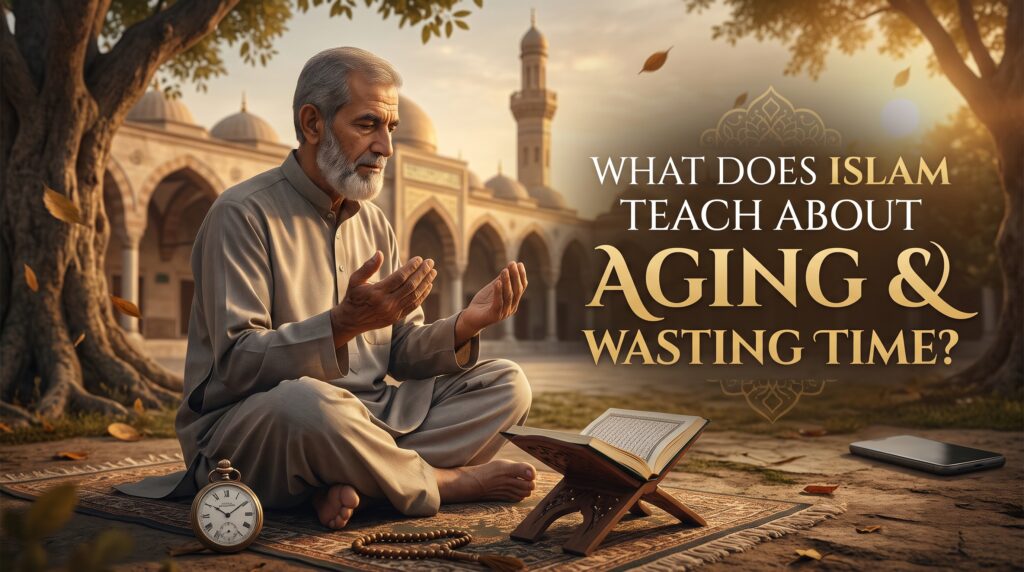
What Does Islam Teach About Aging and Wasting Time?: In Islam, aging is not a flaw or an accident—it is a purposeful stage in the human lifecycle designed to remind us that life on Earth is temporary. Every stage of life, from youth to old age, brings unique responsibilities and tests of character. Wasting time through past regrets or endless procrastination weakens our blessings and distracts us from our true purpose. By living mindfully in the present, practicing gratitude, and anchoring our days in discipline, we can make every passing year meaningful.
目录
| 章节标题 | 解决的关键问题 |
|---|---|
| Understanding Aging in Islam: The Natural Lifecycle | Why do humans grow weak as they age? How does Islam view the transition from youth to old age? |
| Why Wasting Time Goes Against Human Purpose | What makes life a test? How do past regrets and procrastination steal our time? |
| The Divine Law of Blessings and Effort | What happens when we take our youth and time for granted? How does gratitude protect our blessings? |
| Practical Ways to Value Time at Any Age | How can daily prayers organize our time? Is it ever too late to fix wasted years? |
| Guidance Section: Misconceptions About Aging and Time | What common myths prevent people from valuing their time and aging with dignity? |
| 常见问题 (FAQ) | How should Muslims treat the elderly? What if someone regrets wasting their youth? |
Understanding Aging in Islam: The Natural Lifecycle
When we observe the natural world, we see that every living creature follows a clear cycle of birth, growth, maturity, and decline. Human beings are no exception. According to Islamic teachings, humans are created with a physically delicate body that relies on care in infancy, reaches peak strength in youth, and gradually returns to physical weakness in old age.
The Quran describes this exact human progression clearly:
“We have certainly created man in the best form; then we return him to the lowest of the low.” — Surah At-Tin (95:4-5)
In Islam, aging is neither a punishment nor a meaningless decay. Instead, it is a deliberate part of human design. Each stage of life—childhood, youth, adulthood, and old age—introduces new circumstances, emotions, and responsibilities. In youth, a person is tested with physical energy, ambition, and desires. In old age, a person is tested with patience, humility, wisdom, and reliance on the 创作者.
Life itself was created to examine how we respond to these changing phases:
“他创造了死亡和生命,来考验你们谁的行为最好——他是至高无上的,是宽恕的。” — 穆尔克古兰经 (67:2)
Recognizing that our physical strength is temporary keeps us humble during our youth and brings inner peace as we grow older.
Why Wasting Time Goes Against Human Purpose
Because human life has a clear beginning and an unavoidable end, time is our most valuable non-renewable asset. Every thought, spoken word, and action is recorded as part of our personal accountability before the Creator. Living aimlessly or treating time as if it were endless goes directly against the purpose of our existence.
The Quran reminds humanity to reflect seriously on why we are here:
“Did you think that We created you without purpose and that you would not be returned to Us?” — 古兰经 (23:115)
In daily life, most people lose valuable years to two common mental traps:
1. Getting Trapped in Past Regrets
Many people spend their present hours replaying old mistakes, past failures, or painful memories caused by others. While learning from past errors is wise, dwelling on what cannot be changed paralyzes your ability to act today. Islam teaches that the past has already passed, and you are only accountable for what you choose to do right now.
2. Delaying Good Deeds for an Uncertain Tomorrow
Another major way people waste time is by assuming they will always have “later” to improve their character, seek knowledge, or help others. Yet no human being knows what the next hour—let alone the next decade—will bring.
“And no soul perceives what it will earn tomorrow, and no soul perceives in what land it will die. Indeed, Allah is Knowing and Acquainted.” — 鲁克曼古兰经 (31:34)
Because death can arrive without warning at any age, Islam urges every individual to prepare today rather than gambling on an unseen future:
“O you who have believed, fear Allah. And let every soul look to what it has sent forward for tomorrow—and fear Allah. Indeed, Allah is Acquainted with what you do.” — Surah Al-Hashr (59:18)
The Divine Law of Blessings and Effort
In Islam, every capability you possess—your youth, health, intelligence, wealth, and free time—is a trust and a gift. How you treat these gifts determines whether they grow or fade away.
There is a practical, natural law built into creation: gratitude and sincere effort preserve blessings, while neglect and laziness cause them to disappear. Consider two people given the same healthy youth and opportunities. If the first person wastes time, neglects their health, and ignores their duties, their skills stagnate and opportunities close. If the second person values their time, works diligently, and stays grateful, their abilities strengthen and new doors open.
The Quran highlights both the power of gratitude and the necessity of personal effort:
“And [remember] when your Lord proclaimed, ‘If you are grateful, I will surely increase you [in favor]; but if you deny, indeed, My punishment is severe.'” — 易卜拉欣古兰经 (14:7)
“人除了为之奋斗的[善]之外,别无他物,而且他的努力将会被看到——那么他将得到最充分的报答。” — Surah An-Najm (53:39-41)
True gratitude for time is not merely saying “thank you” with the tongue; it is proving your appreciation by using your hours for learning, ethical work, kindness, and self-improvement.
Practical Ways to Value Time at Any Age
Whether you are in the prime of youth or entering your senior years, Islam offers a balanced, practical framework for managing your days wisely:
- Anchor Your Schedule with Daily Prayer (Salah): The five daily prayers are aligned with the natural rhythms of the day—dawn, midday, afternoon, sunset, and night. Stepping away from worldly distractions five times a day trains your mind in punctuality, resets your focus, and prevents days from slipping away unnoticed.
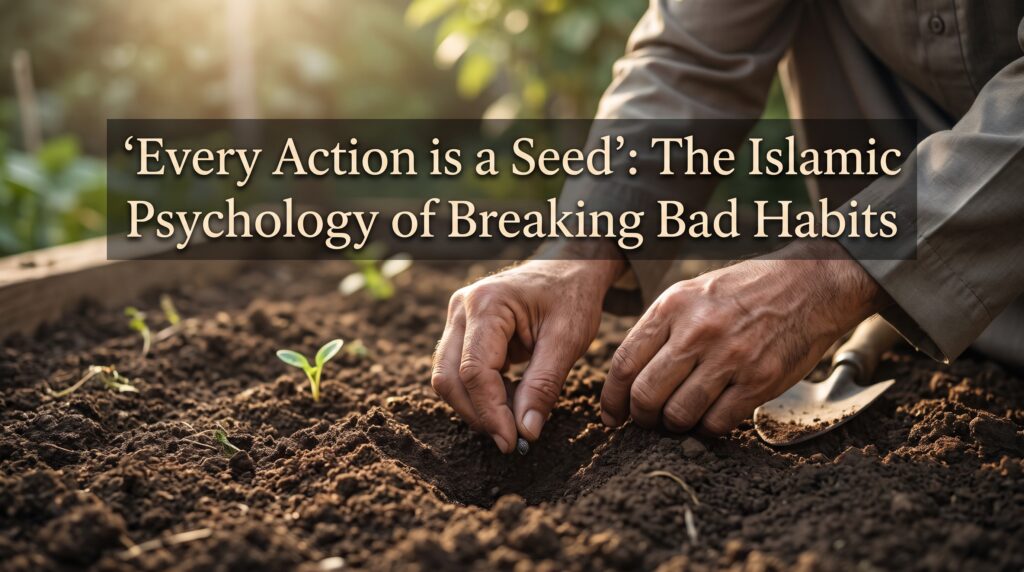
- Focus on the Present Moment: The only time you truly control is the present. Treat every good deed as a seed—small, consistent habits practiced today grow into strong trees of character that benefit you in this world and the next.
- Never Despair Over Wasted Years: If you feel you have already wasted much of your life, do not let guilt stop you from changing today. As long as you are breathing, the door to renewal and forgiveness remains wide open.
“你说,‘我的仆人们,你们[因犯罪]而违背了自己,不要对真主的仁慈绝望。真主确实宽恕所有的罪过。确实,他是宽恕者、仁慈者。'”—— 阿兹祖玛古兰经 (39:53)
Guidance Section: Misconceptions About Aging and Time
Cultural habits and misunderstandings often distort how people view aging and time. The table below clarifies common misconceptions using clear Quranic principles:
| Common Misconception or Purpose Ignorance | Why It Is Harmful | True Islamic Guidance |
|---|---|---|
| “I will focus on faith and good deeds when I get old.” | Assumes a guarantee of reaching old age and wastes the energy of youth. | Nobody knows when death will arrive; accountability begins the moment a person reaches maturity. |
| “Old age means my usefulness in life is finished.” | Leads to hopelessness, isolation, and loss of dignity among seniors. | Every stage of life has purpose; elders carry vital wisdom, patience, and moral guidance for younger generations. |
| “Constantly regretting past mistakes shows sincerity.” | Traps the mind in the past and wastes present opportunities to do good. | Sincere repentance means learning the lesson, asking Allah for forgiveness, and taking positive action today. |
| “Time is purely for personal entertainment and wealth.” | Creates inner emptiness and ignores responsibility toward family and society. | True freedom is responsibility—using time to bring safety, kindness, and benefit to yourself and others. |
常见问题 (FAQ)
1. Does Islam consider aging a bad thing?
No. Islam views aging as a natural, wisdom-filled phase of human design. While physical strength decreases, spiritual maturity, patience, and life experience increase, making elders deeply respected members of society.
2. Why does Islam strongly discourage wasting time?
Because human life on Earth is a temporary test, and every individual is accountable for how they used their health, intellect, and hours. Wasting time means losing irreplaceable opportunities to build good character and help others.
3. What if I wasted my youth—is it too late to start over in old age?
It is never too late as long as you are alive. In Islam, sincere repentance and turning toward good deeds at any age wipes away past mistakes and opens a fresh chapter of mercy and purpose.
4. How does Salah (daily prayer) help with time management?
The five daily prayers divide the day into structured intervals from dawn until night. This natural routine builds discipline, reduces stress, and reminds believers to stay mindful of their goals throughout the day.
5. What is the best way to deal with regret over wasted time?
Accept that the past cannot be undone, seek forgiveness from the Creator with humility, and redirect your energy into the present moment. Planting one good habit today is far better than worrying about yesterday.
6. How does Islam teach us to treat aging parents and elders?
Islam commands kindness, patience, and noble speech toward parents and elders, especially when they reach old age and become physically dependent, just as they cared for us when we were weak children.


 English
 Bengali
 Chinese
 Dutch
 French
 German
 Greek
 Hindi
 Indonesian
 Italian
 Japanese
 Korean
 Marathi
 Latin
 Portuguese
 Russian
 Spanish
 Swahili
 Telugu
 Vietnamese