కంటెంట్ సారాంశం
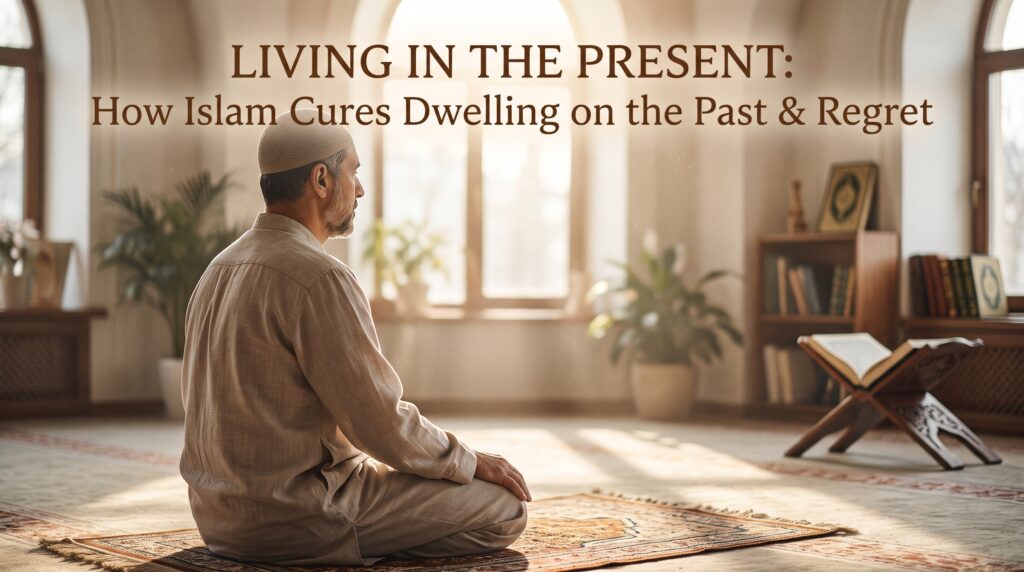
Living in the Present: Many people spend their lives trapped in yesterday—replaying painful memories, missed opportunities, and personal mistakes. This habit drains mental energy and blinds us to the blessings available right now. Islam offers a clear, practical cure for regret by teaching that the past is closed, the future belongs to అల్లా alone, and the present moment is the only place where our choices shape our destiny. Through sincere repentance, daily prayer, gratitude, and purposeful action, a believer learns to release yesterday’s weight and live today with peace and clarity.
విషయ సూచిక
| విభాగం శీర్షిక | పరిష్కరించబడిన కీలక ప్రశ్నలు |
|---|---|
| Why the Human Mind Gets Trapped in the Past | Why do we replay old memories, and how does “what if” thinking harm our peace of mind? |
| The Present Moment: Your Only Arena of Choice | Why is today the only time that matters in life’s test, and how should we handle unchangeable events? |
| How Repentance (Tawbah) Frees You from Guilt | Does Islam expect human perfection, and how does Allah view a person who regrets their past sins? |
| Four Practical Islamic Habits to Anchor You in Today | What daily routines—like prayer, gratitude, and small good deeds—keep the heart grounded? |
| Guidance: Common Misconceptions About Regret and Fate | What false beliefs keep people stuck in sorrow, and what is the true Quranic perspective? |
| తరచుగా అడిగే ప్రశ్నలు (FAQలు) | How do we balance learning from the past with letting it go in everyday Islamic life? |
Why the Human Mind Gets Trapped in the Past
అల్లా designed human beings with memory so we can learn, recognize patterns, and grow wiser over time. However, when we misuse memory by constantly replaying old failures, broken relationships, or the wrongs others committed against us, our minds turn a tool of wisdom into a prison of regret.
Life on earth is a journey between ease and hardship, and every stage brings shifting challenges. When you dwell on yesterday, you lose the focus needed to act wisely today. Instead of looking for real solutions, your mind stays stuck in imaginary scenarios of how things could have been different.
Islam warns us directly against falling into the trap of endless “if only” thinking, because it produces anxiety and weakens our reliance on the సృష్టికర్త. Prophet Muhammad (peace be upon him) taught:
“Strive for that which will benefit you, seek the help of Allah, and do not feel helpless. If anything befalls you, do not say, ‘If only I had done such and such, then such and such would have happened.’ Instead say, “Allah has decreed, and what He wills He does,” for “if only” opens the door to the work of Shaytan. — Sahih Muslim, Book 46, Hadith 2664
Shaytan uses regret and sorrow as emotional whispers to paralyze believers. If he cannot push a person into wrongdoing, he tries to trap them in despair over the past so they stop doing good in the present.
The Present Moment: Your Only Arena of Choice
To live wisely, we must accept a simple truth of creation: you cannot edit a single second of yesterday, and you do not know a single second of tomorrow. The Creator holds complete knowledge of the unseen future, while humans are given awareness of the present so our intentions and choices can be tested.
Learning Without Living in Yesterday
In the Quran, Allah reminds humanity that every era and every soul is accountable only for its own present actions—not for what has already passed away:
“That was a community that has passed away. It will have what it earned, and you will have what you have earned. And you will not be asked about what they used to do.” — Surah Al-Baqarah (2:134)
This principle applies to your personal history as well. The version of you from five years ago—or even yesterday—has already passed. Allah looks at where you stand right now: What are you choosing today? Where is your heart turning at this very moment?
When facing the aftermath of a past event, follow a practical two-step rule:
- If a solution exists today: Ask Allah for guidance, take responsibility, and take a constructive step forward.
- If no path exists to undo what happened: Accept the reality with patience, take the lesson it taught you, and let it go.
“O you who have believed, fear Allah. And let every soul look to what it has put forth for tomorrow…” — Surah Al-Hashr (59:18)
How Repentance (Tawbah) Frees You from Guilt
One of the greatest causes of chronic regret is the burden of past sins and moral mistakes. Many people carry silent shame for years, believing their errors have permanently ruined their worth before Allah.
Islam removes this hopelessness by recognizing human nature. Every human being is born with an empty mind and learns through experience, which naturally involves making mistakes along the way. True worship is not about never stumbling; it is about praising the Creator with gratitude and seeking forgiveness with humility whenever we fall short.
Allah addresses those who feel crushed by their past mistakes with words of immense mercy:
“(పాపం చేయడం ద్వారా) తమను తాము అతిక్రమించిన నా దాసులారా, అల్లాహ్ యొక్క దయ గురించి నిరాశ చెందకండి, అల్లాహ్ అన్ని పాపాలను క్షమిస్తాడు. వాస్తవానికి, అతను క్షమించేవాడు మరియు దయగలవాడు.‘ సూరా అజ్-జుమర్ (39:53)
Even more remarkably, sincere repentance does not merely wipe the slate clean—it transforms your past into a source of spiritual growth:
“Except for those who repent, believe, and do righteous deeds—for them Allah will replace their bad deeds with good deeds. And Allah is ever forgiving and merciful.” — సూరా అల్-ఫుర్కాన్ (25:70)
Healthy remorse motivates you to apologize, repair harm if possible, and change your behavior today. Once you have sincerely repented, holding onto self-hatred is no longer humility—it is doubting the vastness of Allah’s forgiveness.
Four Practical Islamic Habits to Anchor You in Today
Overcoming overthinking requires more than willpower; it requires daily discipline that keeps your mind connected to reality.
1. Pair Hardship with Patience and Gratitude
The Creator has designed life in pairs—every difficulty carries an opening of relief alongside it. When you focus exclusively on what you lost in the past, you become blind to the health, safety, and opportunities you still hold today.
“కాబట్టి ఖచ్చితంగా, కష్టంతో సులభంగా వస్తుంది. నిజానికి, కష్టాలతో సులభంగా వస్తుంది.” — సూరా అష్-షార్ (94:5-6)
Gratitude protects and multiplies your current blessings, whereas constant regret and neglect cause present blessings to fade.
2. Reset Your Mind Through the Five Daily Prayers
Salah is a built-in daily rhythm aligned with the natural cycles of the sun—dawn, midday, afternoon, sunset, and night. Five times a day, prayer interrupts anxious mental wandering, brings you back into your physical body, and reconnects your heart to the Creator.
“నిశ్చయంగా, అల్లాహ్ స్మరణలో హృదయాలు శాంతిని పొందుతాయి.” — సూరా అర్-రాద్ (13:28)
3. Plant Good Seeds Right Now
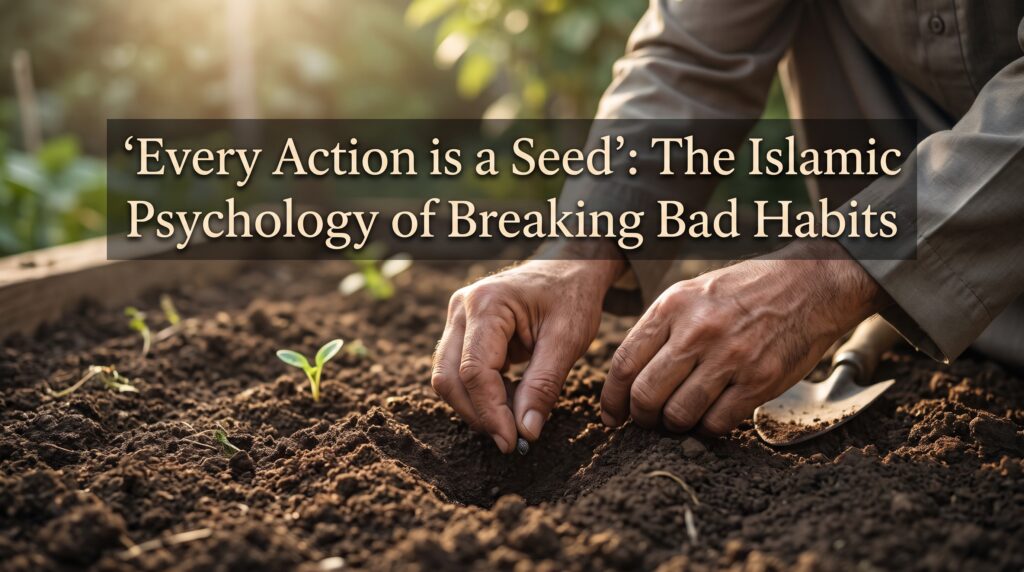
Every small action you take today is like a seed planted in the soil of your soul. Repeated consistently, small good deeds grow into strong, lasting habits that reshape your life. Instead of worrying about outcomes you cannot control, focus on your immediate effort.
“And that there is not for man except that [good] for which he strives.” — Surah An-Najm (53:39)
4. Remember That Life Is Fragile
Death arrives without warning, and once life ends, the window to act closes forever. Remembering the shortness of life is not meant to make you gloomy—it wakes you up. It urges you to stop wasting precious hours on yesterday’s arguments and live today in a state you would be proud to meet your Lord in.
Guidance: Common Misconceptions About Regret and Fate
| సాధారణ అపోహ | Why It Misleads | True Islamic Guidance |
|---|---|---|
| Endless self-blame shows deep faith and humility. | Prolonged despair weakens spiritual energy and stops you from serving others today. | Sincere repentance means admitting the mistake, asking Allah’s forgiveness, and moving forward with hope in His mercy (Surah Az-Zumar 39:53). |
| Saying, “If only I had acted differently, my fate would be better.” | Fuels chronic anxiety over unchangeable outcomes and opens the door to Shaytan’s whispers. | Outcomes belong to Allah’s decree; your duty is to purify your intention and make the best choice available right now. |
| Consulting horoscopes, palmists, or omens to recover past losses. | Relies on guesswork and superstition, disconnecting the heart from the One Unseen Creator. | No creature knows the unseen future; rely on logical planning, patience, and direct దువా (supplication) to Allah. |
| Waiting until your life feels “fixed” before doing good deeds. | Delays moral growth and wastes the present test of life. | Every small act of kindness, honesty, or prayer done today immediately purifies the heart and builds a better tomorrow. |
తరచుగా అడిగే ప్రశ్నలు (FAQలు)
1. How does Islam distinguish between healthy remorse and harmful regret? Healthy remorse is brief and constructive—it makes you realize a mistake, seek Allah’s forgiveness, right any wrongs done to others, and avoid repeating the error. Harmful regret traps you in endless self-punishment, drains your energy, and makes you despair of Allah’s mercy.
2. What should I do when painful memories from the past keep returning? Acknowledge the memory without fighting it, extract any practical lesson it offers, and immediately shift your focus to a present action—such as making దువా, praying two units of Salah, helping someone nearby, or completing an important task. Action reconnects your mind with reality.
3. Does believing in destiny (ఖదర్) mean our past mistakes did not matter? No. While outcomes and life circumstances are written by Allah, human beings are given free will and moral accountability for their intentions and choices. We learn from past errors so we can make wiser, more sincere choices in the present.
4. Why is “what if” thinking discouraged in Islam? Dwelling on “what if” scenarios attempts to rewrite a past you have no power over. It breeds frustration, ingratitude, and anxiety, distracting you from the responsibilities and opportunities Allah has placed in front of you today.
5. How do the five daily prayers help reduce overthinking? Salah divides the day into manageable intervals tied to natural time cycles. Stepping away from worldly worries five times a day to stand in humility, recite the Quran, and speak to Allah calms the nervous system and restores mental clarity.
6. Can past sins ever be erased completely in Islam? Yes. According to the Quran (Surah Az-Zumar 39:53 మరియు Surah Al-Furqan 25:70), when a person turns back to Allah with sincere repentance, faith, and righteous deeds, Allah forgives all sins and even replaces past bad deeds with good ones.

 English
 Bengali
 Chinese
 Dutch
 French
 German
 Greek
 Hindi
 Indonesian
 Italian
 Japanese
 Korean
 Marathi
 Latin
 Portuguese
 Russian
 Spanish
 Swahili
 Telugu
 Vietnamese