Muhtasari wa Maudhui
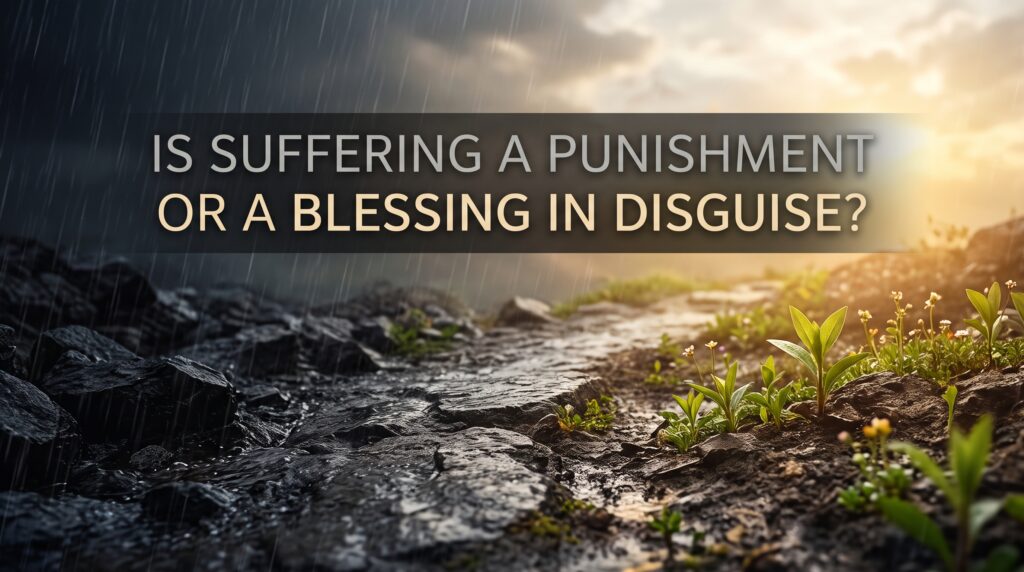
Je, Kuteseka ni Adhabu au Baraka Iliyojificha? Wakati maumivu, hasara, au ugumu usiotarajiwa unapogonga, silika yetu ya kwanza mara nyingi ni kuuliza, “Je! ninaadhibiwa?” Kwa mtazamo wa kimantiki na wa Kurani, ulimwengu huu ni uwanja wa majaribio wa muda badala ya mahali pa adhabu ya mwisho. Katika makala haya, tunachunguza jinsi maono ya mwanadamu yana mipaka, jinsi ugumu unavyotakasa nafsi na kulinda baraka, na kwa nini kila pambano hubeba rehema iliyofichika na urahisi inapokutana na subira na hekima.
Jedwali la Yaliyomo
| Kichwa cha Sehemu | Maswali Muhimu Yameshughulikiwa |
|---|---|
| Dunia Ni Mahali pa Kujaribu, Si Mahali pa Hukumu ya Mwisho | Kwa nini kila ugumu haupaswi kuzingatiwa kama adhabu? Uwajibikaji wa mwisho unafanyika wapi |
| Kwa Nini Ugumu Mara Nyingi Ni Baraka Katika Kujificha | Maumivu yanawezaje kutulinda au kutufanya tuwe na nguvu zaidi? Kwa nini hukumu ya kibinadamu kuhusu matukio mabaya mara nyingi haijakamilika |
| Wakati Mateso Hufanya kama Wito wa Kuamka | Je, kupoteza baraka kunaweza kutukumbusha kubadili tabia zetu? Jinsi huruma ya Mungu inavyofanya kazi wakati wa makosa |
| Sheria ya Kimungu ya Jozi: Urahisi Umeambatanishwa kwa Kila Pambano | Je, Mungu humlemea mtu kupita mipaka yake? Ugumu na unafuu umeunganishwa vipi katika maumbile |
| Sehemu ya Mwongozo: Dhana Potofu za Kawaida Kuhusu Mateso | Ni imani gani za uwongo husababisha kukata tamaa wakati wa majaribu? Ni mazoea gani nje ya imani safi waumini wanapaswa kuepuka |
| Hatua za Kiutendaji za Kugeuza Maumivu kuwa Ukuaji | Je, tunapaswa kuitikiaje wakati huu tunapokabiliwa na hasara? Ni mazoea gani huleta amani ya ndani |
| Maswali Yanayoulizwa Mara Kwa Mara (FAQs) | Majibu ya wazi kuhusu rehema ya Mungu, subira, wasiwasi, na kutafuta kusudi katika nyakati ngumu. |
Dunia Ni Mahali pa Kujaribu, Si Mahali pa Hukumu ya Mwisho
Ili kuelewa kama mateso ni adhabu au baraka, ni lazima kwanza tuelewe kusudi la wakati wetu hapa Duniani. Maisha katika ulimwengu huu hayakuundwa kama mahali pa malipo ya kudumu au adhabu ya mwisho. Badala yake, Dunia ni uwanja wa majaribio uliopangwa vizuri ambapo chaguo, nia, na miitikio yetu hurekodiwa.
Nyakati nzuri na nyakati ngumu hutumika kama zana za kupima tabia ya mwanadamu. Faraja hutujaribu kama tunabaki kuwa wenye shukrani, wanyenyekevu, na wakarimu, huku tukiteseka jaribu kama tunabaki wavumilivu, waaminifu na wenye matumaini katika maisha yetu. Muumba.
“Kila nafsi itaonja mauti, na tunakujaribuni kwa shari na kheri, na kwetu mtarejeshwa.” - Surah Al-Anbiya (21:35)
Lau dhiki ingekuwa ni adhabu kwa ajili ya makosa, basi watu wema na manabii wengi zaidi wasingekabiliwa na njaa, magonjwa, au huzuni. Kwa hakika, uadilifu kamili na fidia ya mwisho vimehifadhiwa kwa ajili ya Siku ya Kiyama, na sio maisha haya mafupi ya dunia.
“Kila nafsi itaonja mauti, na mtapewa ila Siku ya Kiyama ujira wenu…” Sura Aal-Imran (3:185)
Kwa Nini Ugumu Mara Nyingi Ni Baraka Katika Kujificha
Maono machache ya Binadamu dhidi ya Wema Siri
Wanadamu wanaweza kukumbuka yaliyopita na uzoefu wa sasa, lakini hatuwezi kuona hata sekunde moja katika siku zijazo. Hatuoni mlolongo usio na mwisho wa sababu na athari unaounganisha kila tukio katika ulimwengu. Kwa sababu maono yetu yana mipaka, mara nyingi tunahukumu tukio kama “mbaya” kwa sababu tu linajisikia vibaya hivi sasa.
Walakini, katika hali nyingi, kile kinachoonekana kuwa kizuizi chungu hutulinda dhidi ya madhara makubwa zaidi, hutuelekeza kwenye njia bora zaidi, au hutufundisha ujuzi ambao hatuwezi kamwe kujifunza kwa faraja. Wanadamu waliumbwa katika mazingira ambayo juhudi na mapambano ni sehemu za asili za ukuaji.
“Hakika tumemuumba mtu katika dhiki.” - Surah Al-Balad (90:4)
Kusafisha Nafsi na Kujenga Nguvu za Ndani
Kama vile upinzani wa kimwili unavyoimarisha mwili, changamoto za kihisia na maisha husafisha nafsi ya mwanadamu. Nyakati rahisi wakati mwingine zinaweza kumfanya mtu kuwa mzembe, mwenye kiburi, au kusahau kusudi lake. Ugumu huondoa kiburi cha uwongo, huongeza huruma kwa wengine wanaoumia, na kuunganisha moyo na Muumba Mmoja Asiyeonekana.
“Amefaulu aliyeitakasa [nafsi], na amefeli anayeipandikiza [nafsi].” - Sura Ash-Shams (91:9-10)
Wakati ugumu unapoamsha dhamiri yako, kulainisha moyo wako, na kukuleta karibu na ukweli na tabia njema, mateso hayo si adhabu—ni baraka kubwa katika kujificha.
Wakati Mateso Hufanya kama Wito wa Kuamka
Ingawa mateso katika ulimwengu huu sio adhabu ya mwisho, wakati mwingine inaweza kutumika kama simu ya upole ya kuamka. Kila zawadi tunayofurahia—afya, mali, wakati, mahusiano, na amani ya akili—ni amana. Tunapochukua baraka kirahisi, kupuuza majukumu yetu, au kuendelea na tabia mbaya, kupoteza uthabiti kunaweza kuturudisha katika ufahamu.
“Hayo ni kwa sababu Mwenyezi Mungu habadilishi neema alizo waneemesha watu mpaka wabadili yaliyomo ndani ya nafsi zao, na hakika Mwenyezi Mungu ni Mwenye kusikia na Mwenye kujua. - Surah Al-Anfal (8:53)
Hata wakati maumivu ni matokeo ya asili ya makosa yetu wenyewe, bado ni tendo la rehema ya kimungu ikiwa inatuchochea kutulia, kutubu, na kutengeneza maisha yetu kabla ya kifo kufika. Mlango wa msamaha na mwanzo mpya daima unabaki wazi katika maisha haya.
“Sema: ‘Enyi waja wangu mliojidhulumu nafsi zao, msikate tamaa na rehema ya Mwenyezi Mungu. Hakika Mwenyezi Mungu husamehe dhambi zote, hakika Yeye ni Mwenye kusamehe, Mwenye kurehemu.' Sura Az-Zumar (39:53)
Sheria ya Kimungu ya Jozi: Urahisi Umeambatanishwa kwa Kila Pambano
Kanuni ya msingi ya uumbaji ni kwamba hakuna kitu kipo kwa kutengwa; Muumba aliumba maisha katika jozi zilizosawazishwa—usiku na mchana, baridi na joto, jitihada na pumziko. Kwa njia hiyo hiyo, hakuna ugumu wowote uliopo peke yake bila misaada kushikamana nayo.
Sheria mbili zisizoweza kukiukwa hutawala kila kesi unayokabiliana nayo:
- Uwezo uliopimwa: Muumba wako anajua mipaka yako hususa kiakili, kihisia-moyo, na kimwili na hatapi jaribu linalopita uwezalo kustahimili.
- Msaada Uliooanishwa: Kila dhiki hubeba fursa iliyofichika ya urahisi kando yake, ikingojea kugunduliwa kupitia subira na kufikiria wazi.
“Mwenyezi Mungu haikalifishi nafsi kwa uwezo wake…” Sura Al-Baqarah (2:286)
“Hakika pamoja na dhiki kutakuwa na wepesi, hakika pamoja na dhiki kutakuwa na wepesi. - Sura Ash-Sharh (94:5-6)
Sehemu ya Mwongozo: Dhana Potofu za Kawaida Kuhusu Mateso
Maumivu yanapofunika uamuzi wetu, imani potofu na tabia za kitamaduni zinaweza kutusukuma zaidi katika wasiwasi au mbali na imani safi. Jedwali hapa chini linafafanua dhana potofu za kawaida kwa kutumia mwongozo wa Kurani na wa kimantiki:
| Dhana Potofu ya Kawaida | Kwa Nini Inadhuru au Inapotosha | Qurani Safi |
|---|---|---|
| Mateso yote yanamaanisha Mungu anakasirika na kukuadhibu. | Inapanda kukata tamaa moyoni na kuwafanya waumini kupoteza matumaini wakati wa majaribio ya kawaida ya maisha. | Ugumu ni mtihani wa ulimwengu wote kwa wanadamu wote. Inapokutana na subira, majaribu huinua tabia ya mwamini na thawabu ya kiroho. |
| Hofu ya kupoteza na umaskini inamaanisha kuwa siku zijazo hazina matumaini. | Hofu ya mara kwa mara huzuia kufanya maamuzi yenye hekima na kudhoofisha imani katika Mungu. | Shetani ananong'ona kwa hofu ya umasikini na kukata tamaa, na Mwenyezi Mungu anaahidi rehema, msamaha na riziki kwa wanao fanya juhudi. |
| Kuvaa hirizi, kushauriana na wanajimu, au kuuliza wapatanishi huondoa bahati mbaya. | Inabadilisha imani ya moja kwa moja kwa Muumba Mmoja na ushirikina na vitu vilivyoumbwa. | Hakuna nyota, haiba, au mpatanishi anayedhibiti madhara au manufaa. Rejea moja kwa moja kwa Mwenyezi Mungu kupitia maombi ya dhati (Dua) na juhudi za vitendo. |
| Muumini mzuri hapaswi kamwe kuhisi huzuni au maumivu. | Kukandamiza huzuni ya asili hutengeneza hatia na uchovu wa kihemko. | Kuhisi huzuni ni binadamu; subira ya kweli ina maana ya kukataa kukata tamaa, kuepuka uchungu, na kuendelea kutenda kwa haki licha ya maumivu. |
“Shet'ani anakutishieni ufukara na anakuamrisheni uchafu, na Mwenyezi Mungu anakuahidini msamaha na fadhila zitokazo kwake. Na Mwenyezi Mungu ni Mwenye wasaa na Mjuzi.” - Sura Al-Baqarah (2:268)
Hatua za Kiutendaji za Kugeuza Maumivu kuwa Ukuaji
Hatuwezi kudhibiti matukio ya nje kila wakati, kwa sababu majaribio ya maisha yameundwa na Muumba. Walakini, tuna udhibiti kamili juu ya yetu nia na majibu. Hivi ndivyo unavyoweza kugeuza msimu wowote mgumu kuwa nguvu ya kudumu ya kiroho na ya kibinafsi:
- Jitie Nguvu Katika Wakati wa Sasa: Usikae kwenye mtego kwa kucheza tena majuto ya zamani au kuogopa siku zijazo zisizoonekana. Jiulize ni hatua gani ya hekima na uaminifu unayoweza kuchukua sasa hivi, na ichukue kwa umakini wa utulivu.
- Fanya Dua ya Kila Siku (Sala) Kuwa Mazoea Yako: Mazungumzo ya kimya na ya unyoofu pamoja na Muumba wako hutuliza mawazo yenye wasiwasi, huondoa upweke, na kukukumbusha kwamba hutabeba mzigo wako peke yako.
- Jibu kwa Uvumilivu na Tabia Njema: Subira ya kweli inaonyeshwa wakati mgumu unapotokea—kwa kuulinda ulimi wako dhidi ya malalamiko na kuhakikisha wengine wanabaki salama kutokana na kufadhaika kwako.
“Na bila shaka tutakujaribuni kwa kitu cha khofu na njaa na upotevu wa mali na nafsi na matunda, na wabashirie subira, ambaye inapotokea msiba husema: ‘Hakika sisi ni wa Mwenyezi Mungu, na kwake Yeye tutarejea. Sura Al-Baqarah (2:155-156)
Maswali Yanayoulizwa Mara Kwa Mara (FAQs)
1. Ninawezaje kujua ikiwa mateso yangu ni mtihani au matokeo ya makosa yangu
Bila kujali sababu, jibu linalofaa ni sawa: tafakari kwa unyoofu juu ya mazoea yako, tafuta msamaha kwa mapungufu yoyote, chukua hatua zinazofaa ili kuboresha hali yako, na uendelee kuwa na subira. Inaposhughulikiwa kwa njia hii, kila gumu huwa chanzo cha ukuzi na rehema.
2. Kwa nini Quran inataja “pamoja na shida huja wepesi” mara mbili
Kurudia ahadi kunasisitiza uhakika. Inauhakikishia moyo wa mwanadamu kwamba kitulizo si jambo linalowezekana tu—urahisi huunganishwa moja kwa moja katika muundo wa kila pambano, mara nyingi huonekana kwa njia ambazo hatukutarajia.
3. Je, kuhisi wasiwasi au kuzidiwa kunamaanisha imani yangu ni dhaifu
Hapana. Maumivu, woga, na huzuni ni hisia za asili za mwanadamu. Imani haiondoi hisia za mwanadamu; badala yake, inakupa nanga ili mihemko isikupeleke kwenye kukosa tumaini au kutenda makosa.
4. Je, shukrani inaweza kweli kusaidia ninapopitia hasara yenye uchungu
Ndiyo. Kuzingatia baraka zinazosalia—kama vile uhai, afya, imani, na watu wanaokutegemeza—hulinda akili yako dhidi ya kukata tamaa na hualika amani na ongezeko kubwa zaidi kutoka kwa Muumba.
5. Kwa nini Mungu haondoi mateso mara moja tunaposali
Kwa sababu wakati na hekima ya kutulia ni ya Yule anayeona sura nzima ya maisha yetu. Wakati fulani kuchelewa huimarisha subira yetu, hutufundisha uthabiti, au hutayarisha matokeo bora zaidi kuliko yale tuliyoomba mwanzoni.
6. Ni hatari gani kubwa ya kiroho wakati wa nyakati ngumu
Kupoteza tumaini katika rehema ya Mungu au kugeukia imani potofu, wapiga ramli, au wasuluhishi badala ya kumtegemea Muumba moja kwa moja. Kukaa kushikamana na ukweli, subira, na sala huweka moyo wako salama.
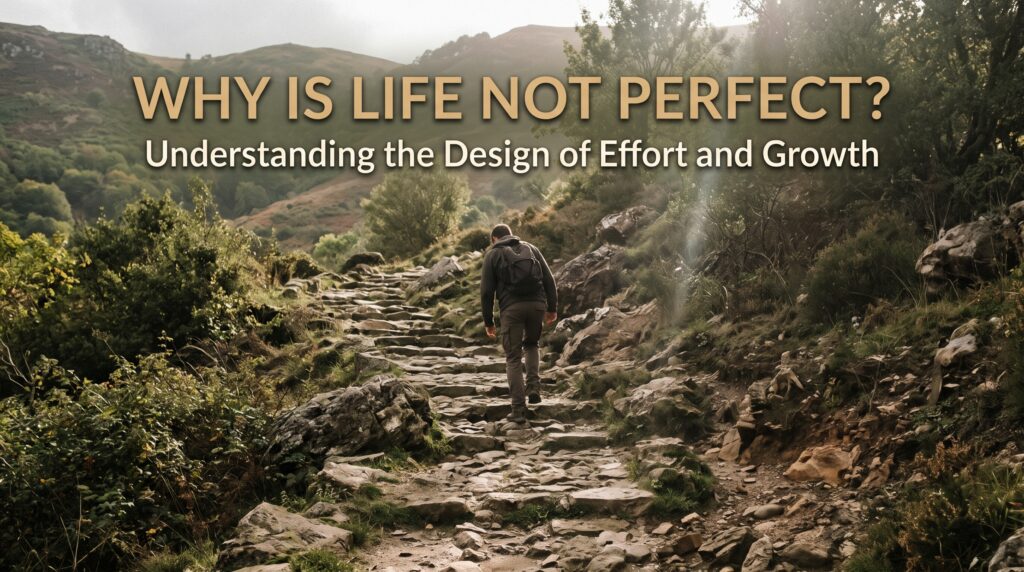

![Why is Life Not Perfect? Understanding the Design of Effort and Growth 5 Why is Life Not Perfect? Understanding the Design of Effort and Growth Content Summary Many people wonder why life is filled with challenges, limitations, and unanswered questions instead of effortless perfection. Through simple logic, observation of human nature, and timeless Quranic wisdom, this article explains that life on Earth was never meant to be a finished paradise. Instead, it is an intentional testing ground where human limitations, uncertainty, and daily effort work together to build character, resilience, cooperation, and lasting spiritual growth. Table of Contents Section Title Key Questions Addressed The Purpose Behind an Imperfect World Why isn't life on Earth effortlessly perfect? What is the true purpose of human existence? How Human Design Sparks Cooperation and Innovation Why were humans created physically weaker than many animals? How do our limitations drive growth? Why Uncertainty and Hardship Are Essential for Growth Why is the future hidden from us? How do struggles and changing circumstances shape human character? The Law of Effort, Intention, and Daily Habits How does sincere striving lead to success? What role do gratitude and repentance play when we make mistakes? Guidance: Common Misconceptions About Life's Struggles What common myths distort how people view hardship, mistakes, and an uncertain future? Frequently Asked Questions (FAQs) Clear answers to common questions about destiny, hardship, effort, and inner peace. The Purpose Behind an Imperfect World Almost every human being asks the same question at some point: If a Wise and Merciful Creator designed this universe, why is life so full of struggle, loss, and imperfection? The answer becomes clear when we look at what Earth is actually designed to be. Life in this world is not a final destination of endless comfort; rather, it is a temporary, purposeful testing ground. If life were completely painless, predictable, and effortless, human beings would never have a reason to think deeply, choose between right and wrong, show compassion, or develop inner strength. In the Quran, the Creator clearly explains the reason behind life and death: "He who created death and life to test you as to which of you is best in deed—and He is the Exalted in Might, the Forgiving." — Surah Al-Mulk (67:2) Imperfection in our surroundings is not a flaw in creation—it is the exact condition required for moral choice. Furthermore, human life is inherently tied to exertion and perseverance from beginning to end: "We have certainly created man in hardship." — Surah Al-Balad (90:4) When we stop expecting this temporary world to function like eternal paradise, our perspective shifts. Challenges stop looking like random accidents and start making sense as opportunities to prove our sincerity, patience, and integrity. How Human Design Sparks Cooperation and Innovation If you observe nature closely, you will notice something remarkable. Almost every animal enters the world equipped with everything it needs to survive in its environment. A cat does not need shoes, woven clothing, shelter-building tools, or cooked meals to endure the weather. Animals rely primarily on built-in physical strength and instinct. Human beings, however, were designed differently. Compared to many creatures, humans enter the world physically vulnerable and require years of care just to stand on their own. The Quran highlights this intentional aspect of our creation: "Allah wants to lighten for you [your difficulties]; and mankind was created weak." — Surah An-Nisa (4:28) Yet alongside this physical vulnerability, humans were given an extraordinary gift that no other earthly creature possesses: "He created man, [and] taught him speech." — Surah Ar-Rahman (55:3-4) Why Weakness Plus Speech Creates Growth This combination—a physically dependent body paired with advanced speech, memory, and reasoning—is the secret behind human civilization: Vulnerability creates interdependence: Because we cannot survive alone in harsh environments, we need families, communities, trade, shelter, and mutual support. Speech enables shared learning: Unlike animals that rely on short-term sensory instinct, humans attach words to experiences, store complex thoughts, write knowledge down, and pass wisdom to future generations. Necessity drives invention: Every tool, home, medicine, and technology exists because human beings had to overcome a limitation through thought and teamwork. If humans had been created physically invincible and completely self-sufficient, there would be no reason to cooperate, invent, teach, or care for one another. Our physical limits are the very sparks that ignite human intelligence and social unity. Why Uncertainty and Hardship Are Essential for Growth Another reason life feels imperfect is that we have zero control over tomorrow. No matter how much technology or data humanity gathers, no person knows what will happen in the next minute. The Quran reminds us of this universal boundary: "No soul knows what it will earn tomorrow, and no soul knows in what land it will die." — Surah Luqman (31:34) This hidden future is essential for real growth. If you already knew the exact outcome of every choice, courage, trust, and patience would lose all meaning. Because tomorrow is unseen, every decision you make today genuinely reflects your character and intentions. Ease and Difficulty Work in Pairs Life moves through changing seasons—youth and old age, health and illness, gain and loss. Both comfort and struggle serve as examinations of the human heart: "Every soul will taste death. And We test you with evil and with good as a trial. And to Us you will all return." — Surah Al-Anbiya (21:35) Crucially, hardship is never meant to crush the human spirit. Every difficulty is measured against our inner capacity, and relief is woven directly alongside struggle: "Allah does not burden any soul beyond its capacity." — Surah Al-Baqarah (2:286) "So surely, with hardship comes ease. Indeed, with hardship comes ease." — Surah Ash-Sharh (94:5-6) When you face an obstacle calmly, your mind learns problem-solving, your ego softens into humility, and your heart discovers resilience you never knew you had. The Law of Effort, Intention, and Daily Habits In a world designed for growth, wishful thinking alone produces nothing. Human progress operates on a clear, fair law of cause and effect: you receive the fruit of what you sincerely work toward. "And that man will have nothing except what he strives for, and his effort will be seen, then he will be fully rewarded for it." — Surah An-Najm (53:39-41) Practical Principles for Navigating an Imperfect Life Focus on Intention Over Outcomes: You cannot always control external results, but you have complete control over why you act. Events test your circumstances, while your intention defines your moral worth. Plant Good Daily Seeds: Every small action is like a seed. Repeated honesty, patience, and kindness grow into strong, rooted character, just as good words bring lasting benefit: "Have you not considered how Allah presents an example: a good word is like a good tree—its root firm and its branches in the sky. It gives its fruit at all times by the permission of its Lord." — Surah Ibrahim (14:24-25) Protect Blessings Through Gratitude: Health, time, intelligence, and opportunities grow when appreciated and used responsibly, while carelessness causes them to fade: "...If you are grateful, I will surely increase you..." — Surah Ibrahim (14:7) Learn From Mistakes Without Despair: Because humans enter the world without innate knowledge and learn step by step, making mistakes is natural. Imperfection does not mean hopelessness; sincere correction turns past errors into future wisdom: "Except for those who repent, believe, and do righteous deeds—for them Allah will replace their bad deeds with good deeds. And Allah is ever Forgiving, Merciful." — Surah Al-Furqan (25:70) Guidance: Common Misconceptions About Life's Struggles When people misunderstand why life is imperfect, they often fall into despair, blame, or unhelpful habits. The table below clarifies common misconceptions using Quranic wisdom and practical logic. Common Misconception / Ignorance Quranic Reality & Logical Truth "Hardship means the Creator is angry with me or has abandoned me." Both ease and hardship are natural tests of character (Surah Al-Anbiya 21:35). Struggles build patience, clarify priorities, and unlock hidden ease (Surah Ash-Sharh 94:5-6). "True success means achieving a problem-free, effortless life on Earth." Earth is a temporary testing ground for effort and moral growth (Surah Al-Mulk 67:2). Complete, effortless perfection belongs only to the eternal Hereafter. "Consulting horoscopes, palmists, or fortune-tellers can remove life's uncertainty." No created being knows tomorrow (Surah Luqman 31:34). Relying on guesswork distracts from practical planning, sincere effort (Surah An-Najm 53:39), and prayerful trust. "If I make repeated mistakes, I am permanently ruined and cannot change." Humans are lifelong learners who naturally stumble. Sincere repentance and corrected action wipe away past stains and transform character (Surah Al-Furqan 25:70). Frequently Asked Questions (FAQs) 1. Why didn't the Creator make human beings physically stronger like other animals? Humans were created physically dependent so they would rely on cooperation, family bonds, and intelligence rather than brute force. Combined with the gift of speech and reasoning, this vulnerability motivated humanity to build communities, invent tools, and share knowledge across generations. 2. If everything is known by the Creator, why does my daily effort still matter? While the Creator has complete knowledge of all things, the future remains hidden from you. Because you do not know tomorrow, your choices, intentions, and efforts today are completely real and voluntary. You are judged by how sincerely you strive within your knowledge and capacity, not by outcomes beyond your control. 3. Does experiencing pain or delay mean I am failing in life? No. Delays, obstacles, and pain are natural parts of human growth—just as muscles only strengthen under resistance. In Quranic wisdom, hardship is always paired with ease and serves to purify your intentions, teach patience, and prepare you for greater responsibility. 4. How should I respond when I feel overwhelmed by life's problems? Start by focusing on the present moment rather than replaying past regrets or worrying about an unknown future. Break the problem into what is within your control, take practical steps with patience, ask the Creator for guidance through sincere prayer (Dua), and trust that no soul is burdened beyond what it can bear. 5. Why do good people also face difficult trials? Trials are not exclusively punishments; they are often instruments of elevation and purification. Even the greatest prophets and most righteous people faced severe hardships so their patience, gratitude, and trust in truth could shine as examples for others. 6. What is the single best mindset for living peacefully in an imperfect world? Live with gratitude for what you have, sincerity in what you do today, kindness toward others, and humility when you make mistakes. When you view every situation—good or difficult—as an opportunity to do what is right, inner peace replaces frustration.](https://islamforeveryone.org/wp-content/uploads/2026/11/Why-is-Life-Not-Perfect-Understanding-the-Design-of-Effort-and-Growth-1024x572.jpg)