Content Summary
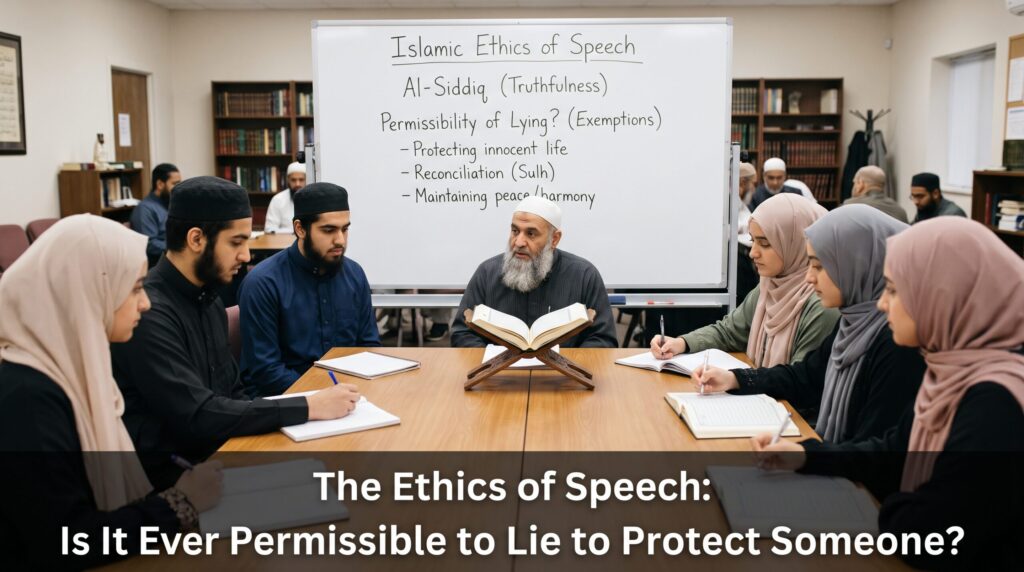
The Ethics of Speech: The human ability to communicate is a profound gift, carrying immense power to build trust or inflict deep harm. Throughout our lives, we are taught the supreme value of honesty, as truthful speech forms the bedrock of a stable and just society. However, human life is incredibly complex. What happens when telling the truth will result in the unjust harm or death of an innocent person? Is it ever morally acceptable to tell a lie in order to protect someone? By exploring the deep principles of justice, intention, and human safety outlined in the document “Humanity By Quran,” we can uncover the delicate balance between the strict command for honesty and the higher moral obligation to protect the vulnerable.
Table of Contents
| Section Title | Key Questions Addressed |
|---|---|
| The Divine Trust of Human Speech | Why are our words given so much moral weight? |
| The Default Command: Absolute Honesty | What is the foundational rule of communication in Islam? |
| The Higher Objective: Becoming a Source of Safety | When does the protection of life override the rule of honesty? |
| Truth With Wisdom, Not Recklessness | Why is it dangerous to speak the truth without considering the consequences? |
| Intention: The Core of Moral Accountability | How will we be judged for the words we choose in difficult moments? |
| Guidance Section | How do practical Quranic truths counter modern misconceptions about honesty? |
| A Sincere Invitation | Why should every person reflect on the Qur’an’s guidance? |
| Frequently Asked Questions (FAQs) | What are the common questions about honesty, lying, and protection in Islam? |
The Divine Trust of Human Speech
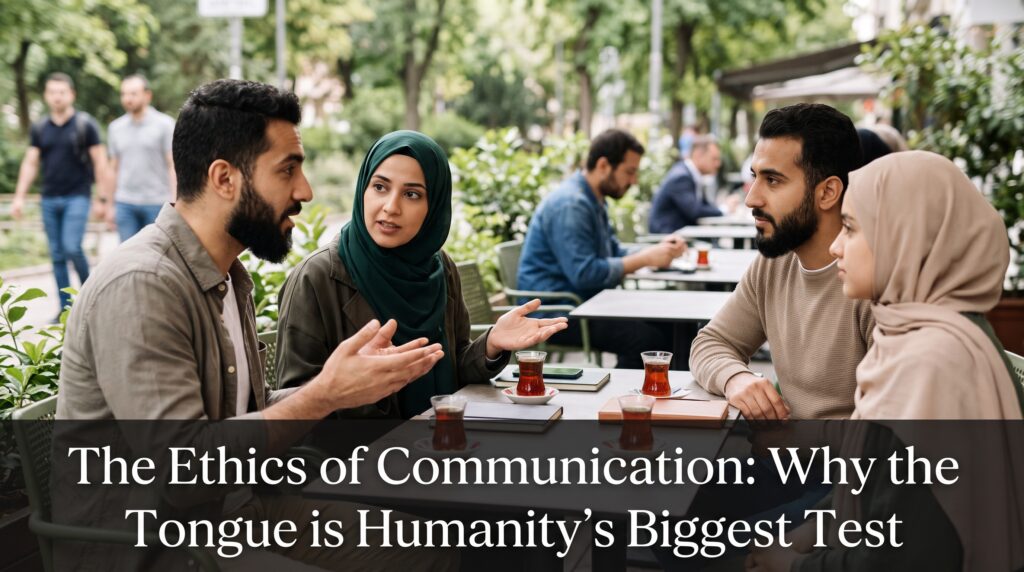
Unlike any other creature on earth, humans possess the remarkable ability to construct complex thoughts and express them through speech. This unique trait is what has allowed us to build civilizations, share knowledge, and establish laws. However, as highlighted in “Humanity By Quran,” this gift is not merely a biological tool; it is a sacred, divine trust.
Because our words have the power to heal, inspire, deceive, or destroy, they carry profound moral weight. Islam teaches that words do not simply vanish into thin air; they are permanent records of our character.
“Not a word does he utter but that there is an observer near him ready [to record].” (Surah Qaf 50:18)
Every syllable we speak is a seed planted in the world, and we will be held accountable for the fruits those seeds bear. This reality forces a conscious believer to exercise extreme discipline over their tongue, ensuring that their words bring value rather than destruction.
The Default Command: Absolute Honesty
For a society to function peacefully, it must operate on a currency of trust. If people cannot trust the words of their family members, leaders, or neighbors, the social fabric collapses into paranoia and chaos. Therefore, the default and absolute command in Islam is unwavering honesty.
The Qur’an explicitly commands believers to speak the truth, even when it is difficult or goes against their own personal interests.
“O believers, fear Allah and speak a straight, truthful word. He will correct your deeds for you and forgive your sins.” (Surah Al-Ahzab 33:70-71)
Honesty is what aligns human behavior with the natural order of justice. Deception, lying, and manipulation disrupt this balance, leading to spiritual emptiness and social decay. A true believer is expected to be someone whose word is a guarantee of reality.
The Higher Objective: Becoming a Source of Safety
If honesty is the absolute default, what should a person do if an unjust oppressor asks for the location of an innocent person to harm or kill them? Does the command to speak a “straight, truthful word” mean we must hand over the innocent to be destroyed?
To answer this, we must look at the broader principles of the Qur’an. “Humanity by Quran” emphasizes that true freedom is the responsibility to be a source of safety for others. A noble person actively brings benefit and protects the vulnerable.
“The recompense of an injury is an injury equal to it. But whoever forgives and makes peace, his reward is with Allah…” (Surah Ash-Shura 42:40)
Islam teaches that preserving human life, dignity, and safety is one of the highest moral objectives (Maqasid) of the divine law. If telling the truth directly facilitates murder, oppression, or severe injustice, the preservation of innocent life takes precedence. In such extreme, life-or-death situations, concealing the truth or misleading an oppressor to protect an innocent soul is not considered a sinful lie but a necessary act of protection and justice.
Truth With Wisdom, Not Recklessness
Many people mistakenly believe that being honest means they must vocalize every single thought or fact they know, regardless of the situation. However, ethical communication requires deep reflection.
As stated in “Humanity By Quran,” we must “Speak the Truth With Wisdom, Not Recklessness.” Truth should be delivered with care and gentleness. Sometimes, the most ethical choice is not to speak at all.
“Do not pursue that of which you have no knowledge. Indeed, the hearing, the sight, and the heart—all will be questioned.” (Surah Al-Isra 17:36)
If sharing a piece of true information will unnecessarily destroy a marriage, spark a violent conflict, or ruin someone’s dignity without any justified legal reason, that “truth” becomes a weapon of harm. Prophet Muhammad (peace be upon him) allowed for the bending of absolute truth in three specific instances to maintain social harmony: during war (to outmaneuver an enemy), to reconcile two disputing parties (by telling each that the other spoke well of them), and to maintain peace and affection between a husband and wife.
Wisdom is knowing when a truth builds society and when a truth breaks it.
Intention: The Core of Moral Accountability
Ultimately, how do we know if our choice to conceal the truth was a righteous act of protection or a sinful act of deception? The answer lies in the inner reality of the human being.
According to “Humanity By Quran,” life is a test of choices, and “intention (niyyah) is the core of moral responsibility; destiny shapes events, but intention determines accountability.”
If a person lies to protect their own ego, to steal wealth, to escape lawful consequences, or to harm someone else, that lie is a major sin recorded against them. But if a person’s heart is terrified for the safety of an innocent child, and they speak a falsehood solely to divert an oppressor, the Creator, who sees the absolute purity of that intention, records it as an act of courageous protection.
“Whether you reveal or conceal, Allah knows what is in the hearts….” (Surah Al-Imran 3:29)
The Day of Judgment will evaluate not just the words we spoke, but the exact reasons why we spoke them.
Guidance Section
| Topic / Concept | Common Misconception or Ignorance | The Practical Truth (Based on Quranic Guidance) |
|---|---|---|
| Absolute Honesty | I must tell the truth at all times, even if it helps a criminal harm an innocent person. | Preserving innocent life and acting with justice is a higher objective. You must protect the vulnerable, even if it requires concealing the truth from an oppressor. |
| Reckless Truth | If something is factually true, it is always my right and duty to share it with everyone. | Truth must be spoken with wisdom. Spreading facts that serve only to humiliate, destroy trust, or spark violence is reckless and harmful to society. |
| The Nature of Sin | Any statement that is not 100% factual is recorded as a sin, regardless of the context. | Accountability is based on intention. Lying for selfish gain is a sin, but misleading to save a life or reconcile broken relationships is an act of peacemaking. |
Disclaimer
The insights shared in this blog post are intended for educational and reflective purposes, drawing upon the concepts from the provided knowledge files and Islamic teachings. They aim to promote harmony, logical thinking, and moral responsibility. Readers are encouraged to seek knowledge, reflect upon nature, and consult qualified scholars for deeper theological studies.
A Sincere Invitation
True understanding comes from direct reflection and an open heart. We warmly invite you to read the Holy Quran at least once in your lifetime, in a language you fully understand. Let your own mind observe the wisdom, logic, and profound peace it offers to humanity.
Frequently Asked Questions (FAQs)
1. Is lying considered a major sin in Islam? Yes, under normal circumstances, lying is a severe sin in Islam. It destroys social trust, causes injustice, and leads a person away from the truth. Believers are commanded to speak the truth even against themselves.
2. When is it permissible to lie? It is only permissible in extreme or highly specific circumstances: to save an innocent life from an oppressor, to reconcile two people who are fighting, to maintain peace in a marriage, or as a strategic tactic in a lawful war.
3. If I lie to save myself from getting in trouble at work, is that allowed? No. Lying to escape the lawful consequences of your own mistakes, to gain an unfair advantage, or to protect your pride is strictly forbidden and is recorded as a sin of deception.
4. How does intention affect the words we speak? Intention is the foundation of accountability. If you alter the truth with the pure intention of saving a life or making peace, it is judged as a righteous act. If you alter the truth for selfish desires, it is judged as a sin.
5. What should I do if the truth will hurt someone’s feelings? Islam teaches us to “speak to them a noble word. “You should strive to be honest but deliver the truth with gentleness and tact. If the truth is unnecessary and will only cause useless emotional pain, silence is often the wiser choice.