Content Summary
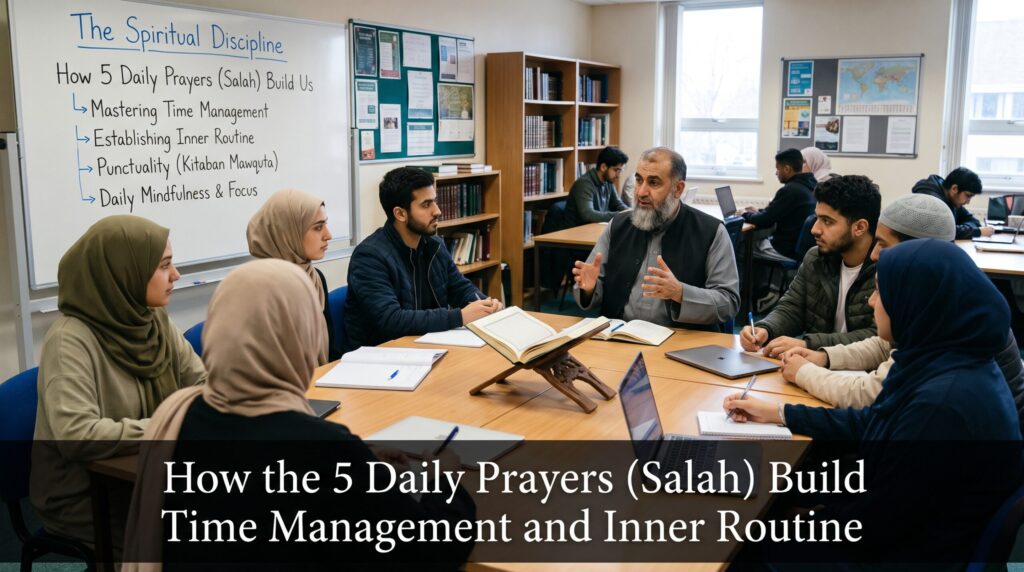
How the 5 Daily Prayers (Salah) Build Time Management: In today’s fast-paced, constantly distracted world, finding a balanced daily routine is one of our greatest struggles. We buy planners, download time-management apps, and read endless productivity articles, yet many still suffer from burnout, anxiety, and a lack of focus. What if the ultimate system for time management and inner peace was revealed over 1,400 years ago? According to the profound insights in the document “Humanity By Quran,” the five daily prayers (Salah) in Islam are far more than spiritual rituals. They are a comprehensive, practical system designed to regulate human life, sync our bodies with the natural world, and train us in focus and discipline. In this post, we will explore how Salah builds the ultimate daily routine, acting as a masterclass in time management and emotional stability.
Table of Contents
| Section Title | Key Questions Addressed |
|---|---|
| Beyond the Ritual: Salah as a System of Regulation | Is prayer just a transaction with the Creator, or does it serve a practical human purpose? |
| The Natural Cycle: Syncing Life with the Sun | Why are the five prayers scheduled at specific times of the day? |
| Fajr to ‘Isha: A Masterclass in Time Management | How does each specific prayer contribute to a healthy daily routine? |
| The Psychological Benefit: Resetting Focus and Reducing Burnout | How does pausing for prayer protect our mental health? |
| The Social Impact: Building Equality and Community | What happens to society when people pray together? |
Beyond the Ritual: Salah as a System of Regulation
A common misunderstanding about worship is that the Creator demands our prayers because He needs our praise. However, “Humanity by Quran” clarifies that the Creator is completely free of all needs. He does not suffer from fatigue, and our prayers do not increase His supreme power.
Instead, Salah is a divine gift designed entirely for human benefit. In Islam, worship is a complete social system of discipline. The five daily prayers are a masterclass in time management, focus, patience, humility, and inner order. They force a person to pause their worldly chase, disconnect from their anxieties, and reset their mental focus.
When we view Salah through this practical lens, we realize it is not a burden on our schedule; it is the very framework that keeps our schedule balanced. It provides a daily rhythm that prevents our egos, careers, or material desires from taking complete control of our lives.
“And seek help through patience and prayer, and indeed, it is difficult except for the humbly submissive [to Allah].” (Surah Al-Baqarah 2:45)
The Natural Cycle: Syncing Life with the Sun
Modern science frequently highlights the importance of the circadian rhythm—our body’s internal clock that responds to light and dark. Long before the discovery of circadian biology, Islam established a daily routine perfectly synced with the flow of nature.
The five daily prayers are deeply connected to the natural cycles of the sun: sunrise, midday, afternoon, sunset, and night. By tying our most important daily habits to the movement of the sun, Salah keeps human life in harmony with the natural environment. We are not designed to work endlessly like machines. We are natural beings who require structured pauses to maintain our physical and spiritual health.
By following this natural cycle, a believer builds a structured, healthy routine that naturally prevents the modern diseases of chronic procrastination and severe burnout.
Fajr to ‘Isha: A Masterclass in Time Management
To truly appreciate the practical power of this system, we must look at the specific timing and meaning of each prayer. As detailed in “Humanity by Quran,” each prayer serves a distinct psychological and practical purpose in our daily routine.
Fajr (Dawn): The Discipline of Early Rising
Fajr is performed from true dawn until just before sunrise. Waking up while the world is still dark requires immense self-control. It builds the discipline of early rising and provides a moment of deep reflection before the chaos of the day begins. Starting the day with a clear intention sets a productive and focused tone for everything that follows.
Dhuhr (Midday): The Pause to Reset Focus
Performed when the sun passes its peak, Dhuhr acts as a mandatory midday pause. During the busiest hours of work, this prayer forces us to stop, disconnect from our worldly tasks, and reset our mental focus. This structured break effectively reduces stress, prevents afternoon burnout, and restores clarity.
‘Asr (Late Afternoon): The Reminder to Complete Duties
As the afternoon shadows lengthen, ‘Asr serves as a psychological checkpoint. It is a reminder that the daylight is fading and the workday is coming to an end. It encourages us to complete our remaining duties with urgency and patience, preventing procrastination.
Maghrib (Sunset): Gratitude for Daily Provision
Performed immediately after sunset, Maghrib marks the transition from work to rest. It is a time for reflection at the day’s end, training the heart to practice gratitude for the daily provision, health, and opportunities we experienced.
‘Isha (Night): Mental Calm Before Rest
‘Isha is performed in the complete darkness of the night. It brings a period of mental calm and spiritual settling. By ending the waking hours with the remembrance of the Creator, a believer clears their mind of worldly anxieties, preparing the body for a peaceful and restorative sleep.
The Psychological Benefit: Resetting Focus and Reducing Burnout
In a world filled with constant notifications, emails, and demands, our attention is constantly divided. We rarely find a moment of true silence.
The physical movements of Salah, combined with the mental focus required to communicate with the One Unseen Creator, act as a profound psychological reset. “Humanity By Quran.pdf” notes that Salah stabilizes the mind and body. It requires a person to leave their phone, wash themselves (Wudu), and stand with complete humility.
This daily practice of disconnecting from creation to connect with the Creator prevents the buildup of chronic stress. It keeps the human ego in check and serves as a barrier against corruption and immoral behavior, as the believer is constantly reminded of their ultimate accountability.
“…Indeed, prayer prohibits immorality and wrongdoing….” (Surah Al-Ankabut 29:45)
The Social Impact: Building Equality and Community
Salah is not only an individual discipline; it has a massive social impact. When the five daily prayers are performed in a congregation, they actively build a disciplined, equal, and mutually respectful community.
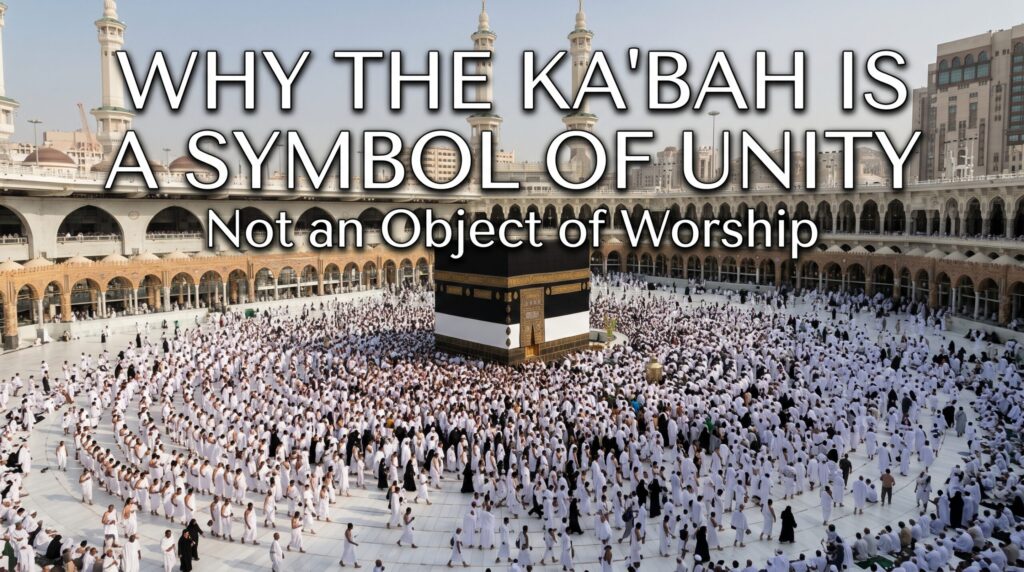
In the mosque, there are no VIP sections. The wealthy CEO stands shoulder-to-shoulder with the laborer. “Humanity By Quran” emphasizes that this physical act of standing together in rows, facing the same central direction (the Ka’bah), prevents arrogance and destroys social, racial, and economic divisions. It teaches the community that while our worldly statuses may differ, we are absolutely equal before the Creator.
Guidance Section
| Topic / Concept | Common Misconception or Ignorance | The Practical Truth (Based on Quranic Guidance) |
|---|---|---|
| Purpose of Salah | Prayer is a transaction. God needs my prayers, and if I don’t pray, it decreases His power. | The Creator is free of all needs. Salah is a divine gift designed to regulate human life, manage our time, and purify our character. |
| Time Management | Praying five times a day takes up too much time and ruins a productive work schedule. | Salah provides mandatory, structured pauses that actually prevent burnout, increase mental focus, and sync the human body with natural rhythms. |
| Social Equality | Religion creates hierarchies and elevates certain classes of people above others. | Congregational Salah destroys social hierarchies. Everyone stands shoulder-to-shoulder, proving absolute equality before the Creator. |
Disclaimer
The insights shared in this blog post are intended for educational and reflective purposes, drawing upon the concepts from the provided knowledge files and Islamic teachings. They aim to promote harmony, logical thinking, and moral responsibility. Readers are encouraged to seek knowledge, reflect upon nature, and consult qualified scholars for deeper theological studies.
A Sincere Invitation
True understanding comes from direct reflection and an open heart. We warmly invite you to read the Holy Quran at least once in your lifetime, in a language you fully understand. Let your own mind observe the wisdom, logic, and profound peace it offers to humanity.
Frequently Asked Questions (FAQs)
1. How do the five daily prayers improve time management? Salah acts as a structural framework for the day. By anchoring your day around Fajr (dawn), Dhuhr (midday), ‘Asr (afternoon), Maghrib (sunset), and ‘Isha (night), you naturally avoid procrastination, wake up early, and take healthy breaks that reset your focus.
2. Does the Creator need us to pray? No. “Humanity By Quran” clearly states that the Creator is completely independent and free of all needs. We are the ones who need the discipline, inner peace, and guidance that prayer provides.
3. Why are the prayers tied to the movement of the sun? Tying the prayers to the sun’s cycle keeps human life in sync with the natural environment. It aligns our periods of activity and rest with the Earth’s natural circadian rhythms, promoting better physical and mental health.
4. How does Salah prevent burnout? Modern burnout is often caused by endless, uninterrupted work and stress. The midday (Dhuhr) and afternoon (‘Asr) prayers force a believer to physically step away from their worldly tasks, wash up, and mentally disconnect, which severely reduces accumulated stress.
5. What is the social benefit of praying together? Congregational prayer builds unity and destroys arrogance. When people from all races and economic backgrounds stand shoulder-to-shoulder, it reinforces mutual respect and the profound truth that all humans are equal in the sight of the Creator.